Available
Slab Projects
Compare concrete volume, yardage and bag estimates for popular slab dimensions and thicknesses.
Find ready-made concrete estimates by slab size, bag quantity or footing dimensions. Compare a common project first, then adjust your measurements with a calculator if needed.
Slab pages estimate concrete for common lengths, widths and thicknesses. Bag pages convert known concrete volumes into whole 40, 60 and 80 lb bags. Footing pages cover square, rectangular and round dimensions.
These are planning examples for specified sizes, not structural design approvals. Check the actual concrete-filled measurements, product yields and applicable project requirements before ordering.
Compare concrete volume, yardage and bag estimates for popular slab dimensions and thicknesses.
Convert selected concrete volumes into estimates for 40, 60 and 80 lb bags, with yield assumptions explained.
Browse square, rectangular and round footing volumes. Structural dimensions and required depth must be verified separately.
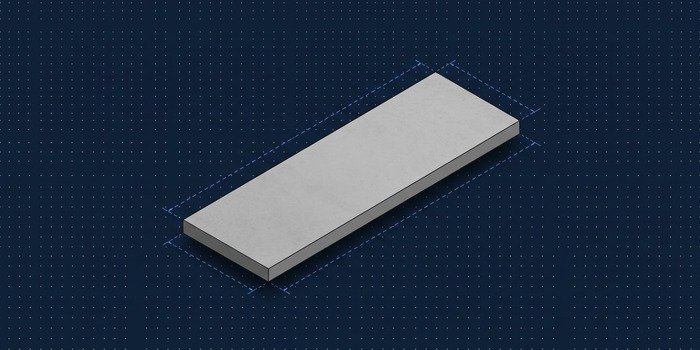
Planning a 10 × 10 ft shed-base slab at 4 inches thick? The rectangular volume is 1.23 cubic yards (33.33 cubic feet) before any extra allowance. Related layouts…
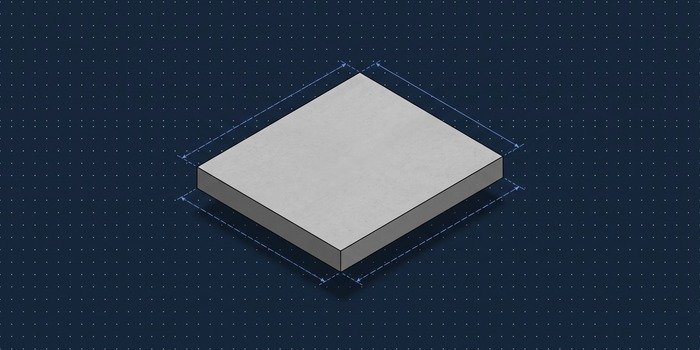
View slab estimate →A 16 × 24 ft patio slab at a modeled thickness of 6 inches covers 384 square feet and requires about 7.11 cubic yards of concrete before waste.…
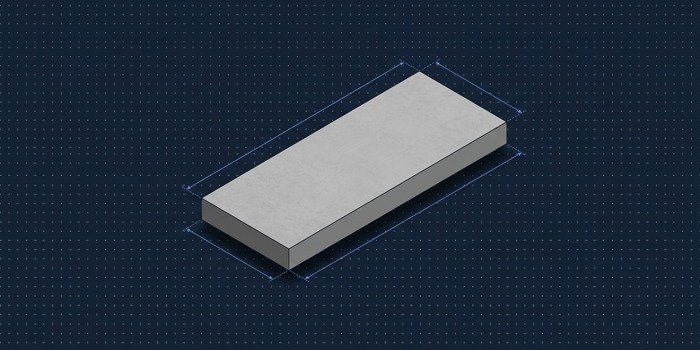
View slab estimate →A 12 × 20 ft patio slab at a modeled thickness of 6 inches covers 240 square feet and requires about 4.44 cubic yards of concrete before waste.…
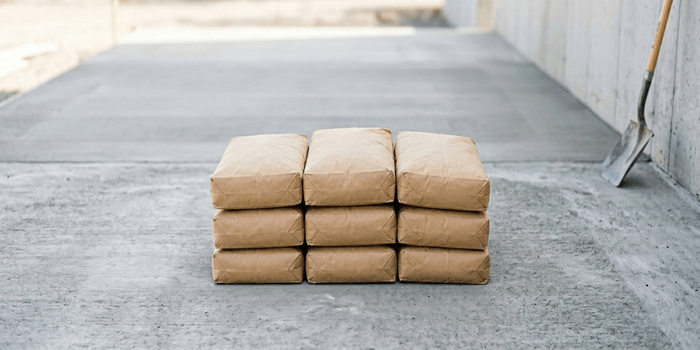
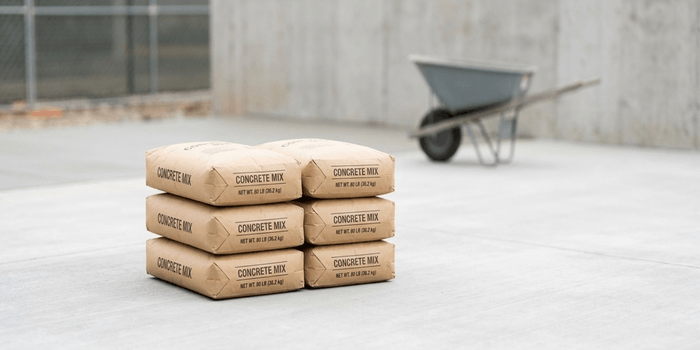
View slab estimate →1 cubic yard converts to 27 ft³ of concrete. At an assumed 0.3 ft³ yield, that works out to 90 40 lb bags before waste. A 10% example…
View bag conversion →1.5 cubic yards converts to 40.5 ft³ of concrete. At an assumed 0.6 ft³ yield, that works out to 68 80 lb bags before waste. A 10% example…
View bag conversion →0.5 cubic yard converts to 13.5 ft³ of concrete. At an assumed 0.6 ft³ yield, that works out to 23 80 lb bags before waste. A 10% example…
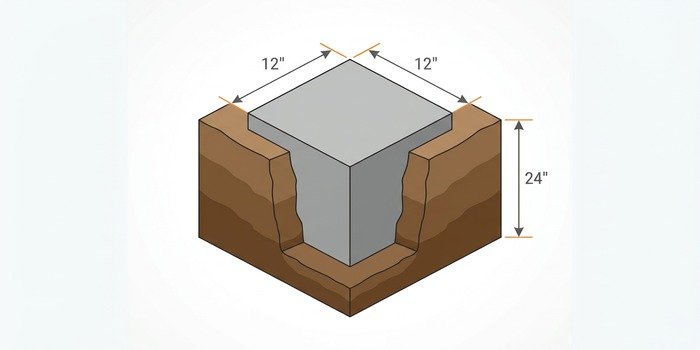
View bag conversion →12" × 12" × 24" square footing: 2 ft³ (0.0741 yd³), with exact bag counts and a 10% planning example.
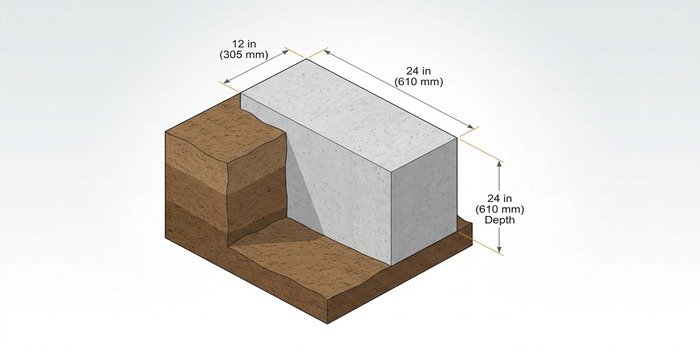
View footing estimate →12" × 24" × 24" rectangular footing: 4 ft³ (0.1481 yd³), with exact bag counts and a 10% planning example.
View footing estimate →12″ diameter × 36″ deep round footing: 2.3562 ft³ (0.0873 yd³), exact bag estimates and a 10% planning example.
View footing estimate →Select a slab size, concrete volume or footing geometry that matches the estimate you need.
Read the dimensions, calculated volume, assumed bag yield and any example allowance.
Use a calculator when your real measurements, quantity or site conditions differ from the example.
Project pages offer ready-made estimates for a specific set of dimensions or volume. Calculators let you enter measurements or volume that match your own job.
Choose a slab page when you know length, width and thickness; a bag page when you know the concrete volume; or a footing page when you know the required shape and dimensions. Use the related calculator if your measurements differ.
The interactive footing calculator uses a rectangular volume. For round piers, choose a round footing project page and use its cylinder-based estimate; include any enlarged or belled base separately.
They are geometric planning estimates for the stated dimensions and assumed yields. Actual quantities may change with excavation, formwork, uneven depth and product specifications. Footing volume does not establish structural suitability.
An example allowance such as 5% or 10% can help illustrate possible losses, but no percentage is correct for every job. Select an allowance based on measured dimensions, form accuracy, excavation and placement conditions.
Yes. Review the cubic-yard volume alongside the 40, 60 and 80 lb bag estimates. Compare labor, handling weight, delivery access, minimum charges and the product's actual mixed yield before deciding.