
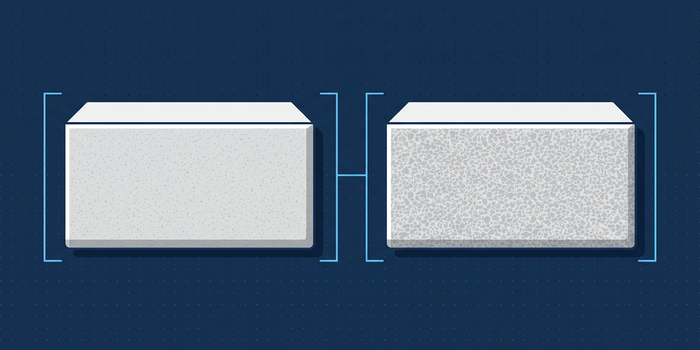
Concrete strength is specified in PSI—pounds per square inch—and the most common residential mixes are 3000 PSI and 4000 PSI. The difference sounds technical, but the practical question is simple: which one does your project actually need? Many homeowners over-specify strength out of caution, paying extra for capacity they’ll never use. Others under-specify and risk long-term problems.
This guide explains what PSI means in practical terms, when 3000 versus 4000 makes sense for common residential projects, and what other factors besides raw strength affect concrete performance. Understanding these fundamentals helps you choose appropriate mixes, communicate clearly with suppliers, and avoid both under-engineering and unnecessary upgrades.
The goal isn’t to make you a concrete engineer—it’s to help you order confidently, knowing your choice matches your project’s actual requirements rather than guesses or assumptions. Most residential concrete decisions follow predictable patterns based on application type, exposure conditions, and local practices. If you first need to clarify what the material actually contains, see cement vs. concrete.
Quick Answer
If You’re Pouring a Patio / Walkway…
3000 PSI concrete is commonly used for patios, walkways, and similar light-duty residential applications. These surfaces carry foot traffic, outdoor furniture, and occasional light equipment—loads well within 3000 PSI capacity. The lower strength costs less and often works slightly easier during finishing. Unless you have specific concerns about heavy concentrated loads or extreme exposure conditions, standard 3000 PSI typically provides adequate performance for these applications.
If You’re Pouring a Driveway / Garage…
4000 PSI is often recommended for driveways and garage floors that will carry vehicle loads. The higher strength provides margin for repeated loading, concentrated wheel loads from parked vehicles, and the turning forces vehicles create. While some residential driveways use 3000 PSI successfully, 4000 PSI is the more conservative choice that accounts for heavier vehicles, occasional delivery trucks, and long-term durability under vehicular use.
Rule of thumb: Light foot traffic applications typically work fine with 3000 PSI. Vehicle loads and structural applications typically benefit from 4000 PSI—and the right slab thickness matters just as much as the PSI you choose. In freeze-thaw climates, proper air entrainment matters as much as PSI rating. When uncertain, local suppliers know what specifications work reliably in your area—their recommendations reflect generations of regional experience.
Browse Pre-Calculated Slab Sizes
See concrete quantity estimates for common slab dimensions with mix considerations.
What PSI Means (in Plain English)
Compressive Strength Basics
PSI stands for pounds per square inch and measures how much compressive load concrete can support before failing. The number represents the force applied to a standard test cylinder that causes the concrete to crush. A 3000 PSI mix withstands three thousand pounds of force per square inch before structural failure. A 4000 PSI mix withstands four thousand pounds per square inch.
This measurement happens in laboratory conditions on properly cured samples—commonly referenced at around twenty-eight days after mixing, though testing protocols vary. The PSI rating reflects the concrete’s ultimate compressive capacity under controlled testing, not necessarily what happens in real-world conditions where curing, placement quality, and other factors vary.
Compressive strength is concrete’s primary structural property. Concrete excels at resisting compression—the forces that squeeze or crush material. The PSI rating directly measures this strength. Higher PSI means the concrete can support more weight, resist more pressure, and handle heavier loads before failing structurally.
Understanding that PSI measures compression helps explain why it’s the standard specification. Most concrete applications primarily experience compressive loads. Slabs support weight from above. Foundations resist soil pressure. Columns carry building loads. All these involve compression, which is what the PSI rating directly addresses.
What PSI Doesn’t Tell You (Durability ≠ Only PSI)
PSI measures compressive strength but doesn’t directly indicate durability, freeze-thaw resistance, cracking tendency, or workability. These other properties depend on mix design factors beyond just strength rating. Two concrete mixes with identical PSI can perform very differently in real-world conditions based on other characteristics.
Durability—how well concrete withstands weathering, chemical exposure, and long-term wear—involves factors like water-cement ratio, air entrainment, aggregate quality, and curing practices. Higher PSI often correlates with better durability because stronger mixes typically use less water and more cement, but PSI alone doesn’t guarantee durability.
Freeze-thaw resistance requires proper air entrainment regardless of PSI. Concrete without adequate entrained air can fail in freezing climates even at very high strength. The microscopic air bubbles that protect against freeze-thaw damage are a separate specification from PSI, though they’re often included together in mix designs for cold climates. Specifying a higher PSI also doesn’t replace cold-weather concrete protection during placement and early curing.
Cracking tendency relates more to shrinkage characteristics, reinforcement, jointing, and base quality than to PSI rating. Higher strength concrete doesn’t automatically crack less—in some cases it can be more prone to certain crack types. Proper crack control comes from comprehensive design and execution, not just specifying higher PSI.
Workability and finishing ease can actually decrease with higher PSI mixes. Stronger concrete often uses less water, making it stiffer and harder to place and finish. For hand-finished residential work, extremely high PSI can create placement difficulties that offset the strength benefits. Balance strength requirements with practical workability needs.
Think of PSI as one important specification among several that determine concrete performance—necessary to specify correctly but not sufficient by itself to ensure good results.
3000 vs 4000 — Practical Differences
Strength vs Cost (General)
4000 PSI concrete typically costs more per cubic yard than 3000 PSI, though the exact premium varies by supplier and market. The higher strength requires more cement or different proportioning, which increases material costs. For residential projects measured in cubic yards rather than hundreds of yards, the total cost difference is often modest but still worth considering if the extra strength isn’t necessary.
The strength difference between 3000 and 4000 PSI represents meaningful additional capacity. That extra thousand PSI provides substantial margin for heavier loads, concentrated forces, and long-term durability. When you need that capacity—for vehicle loads, structural applications, or demanding exposure conditions—the cost premium is worthwhile insurance against performance problems.
However, paying for capacity you’ll never use doesn’t improve performance. A patio that will only ever support furniture and foot traffic gains nothing from 4000 PSI strength. The concrete doesn’t become “better” in ways that matter for that application. You’ve simply paid more for unused capability.
Cost considerations should follow need assessment, not lead it. First determine what PSI your application requires, then evaluate cost. If both strengths adequately serve your needs, choosing the less expensive option makes sense. If higher strength provides necessary capacity, the cost is justified regardless of the premium.
Workability / Finishing Considerations (General)
3000 PSI concrete is often slightly easier to work with for hand-finishing residential projects. The mix typically contains more water relative to cement, making it flow more readily and finish more smoothly with standard tools. For DIY or small contractor projects where efficient finishing matters, the workability advantage can be meaningful.
4000 PSI concrete may be stiffer and require more effort during placement and finishing. The lower water content that contributes to higher strength also makes the mix less fluid. Experienced finishers adapt techniques to handle different consistencies, but for homeowners doing their own work, stiffer concrete can be more challenging.
This workability difference isn’t always dramatic—much depends on specific mix designs and any plasticizers or admixtures included. Modern high-strength mixes often include additives that improve workability despite lower water content. Discuss finishing plans with your supplier so they can recommend appropriate mixes that balance strength requirements with workability needs.
In hot weather or rushed placement scenarios, any workability difference becomes more significant. Concrete that’s already stiff to work with becomes increasingly difficult as it begins setting. If you’re concerned about finishing challenges—large area, limited crew, hot conditions—mention this when ordering so your supplier can suggest mixes optimized for your specific situation.
Durability Factors to Ask For (Air-Entrainment, Etc.)
Regardless of PSI, certain mix characteristics critically affect long-term performance in specific conditions. Air entrainment is essential in freeze-thaw climates—microscopic air bubbles protect concrete from ice damage by providing space for expanding water. This is a separate specification from PSI but should be included in mixes for cold-weather regions.
Proper water-cement ratio affects both strength and durability. Lower water content generally produces stronger, more durable concrete. When ordering, you might ask about the mix design’s water-cement ratio if durability is a primary concern. Suppliers can explain whether their standard mixes use appropriate ratios for your conditions.
Aggregate quality and gradation influence concrete performance in ways PSI ratings don’t capture. Good aggregate produces more durable concrete with better resistance to weathering and wear. Most suppliers use appropriate aggregate for their region, but if you’re in an area with known aggregate quality issues, discussing this ensures your mix uses suitable materials.
Fiber reinforcement can be added to mixes regardless of PSI. Synthetic fibers help control plastic shrinkage cracking and improve surface durability without affecting the strength rating. Discuss fiber options with your supplier if you want additional crack protection beyond what steel reinforcement provides.
Chemical resistance specifications matter for industrial applications or areas exposed to aggressive substances. Residential projects rarely need special chemical resistance, but if your concrete will contact fertilizers, pool chemicals, or automotive fluids regularly, mention this so your supplier can recommend appropriate mix modifications.
When ordering, describe your project’s exposure conditions and intended use rather than just specifying PSI—this allows suppliers to recommend complete mix designs that address all relevant performance factors.
Typical Uses (General Guidance)
Patios & Walkways
Patios and walkways typically use 3000 PSI concrete successfully for residential applications. These surfaces carry foot traffic, outdoor furniture, grills, and potted plants—loads well within 3000 PSI capacity. The occasional wheelbarrow, hand truck, or light equipment also falls comfortably within this strength range.
The exception might be patios supporting particularly heavy features like outdoor kitchens with masonry elements, hot tubs, or substantial built-in furniture. These concentrated loads could justify 4000 PSI as a conservative choice, though proper base preparation and adequate slab thickness often matter more than the PSI difference for these applications.
Decorative concrete for patios—stamped patterns, exposed aggregate, colored finishes—works with either strength. The decorative treatment doesn’t change strength requirements. Choose PSI based on loads and exposure, then apply whatever decorative finish you want. The finishing technique is independent of the strength specification.
In freeze-thaw climates, air entrainment becomes more important than the difference between 3000 and 4000 PSI. An air-entrained 3000 PSI mix typically outperforms non-air-entrained 4000 PSI in cold weather regions. Make sure your supplier includes appropriate air entrainment for your climate regardless of which strength you choose.
Driveways & Parking Areas
Driveways commonly use 4000 PSI concrete to handle vehicle loads and provide long-term durability under repeated traffic. Passenger vehicles create concentrated wheel loads when parked, turning forces during maneuvering, and cumulative stress from thousands of load cycles over years of use. The higher strength provides margin for these demanding conditions.
Some residential driveways use 3000 PSI successfully, particularly those serving only light passenger vehicles with careful attention to proper base preparation, adequate thickness, and good jointing. However, 4000 PSI is the more conservative specification that accounts for occasional heavier vehicles—delivery trucks, moving vans, guest RVs—that homeowners might not initially consider.
If your driveway will regularly carry trucks, work vehicles, or heavy equipment, 4000 PSI is appropriate and some situations might even justify higher strength. Discuss your specific vehicle types and weights with your supplier—they can advise whether standard 4000 PSI is adequate or if your situation requires upgraded specifications.
Driveway approaches where vehicles turn create higher stress than straight sections. Some contractors use higher strength concrete at turning areas or aprons while using standard strength for straight runs. This targeted approach optimizes cost while providing extra capacity where stress concentrates. Ask your supplier whether they recommend this strategy for your layout.
Cold climate driveways face additional challenges from freeze-thaw cycles and deicer chemicals. These conditions damage concrete through mechanisms unrelated to compressive strength. Air entrainment and proper drainage matter more than choosing 4000 over 3000 PSI for winter durability. Make sure your mix includes appropriate air entrainment and consider sealers that protect against deicer penetration.
Garage Floors & Workshops
Garage floors typically use 4000 PSI concrete for the same reasons as driveways—vehicle loads, concentrated forces from parked cars, and long-term durability requirements. The additional consideration for garage floors is that parked vehicles create sustained concentrated loads in the same location for hours or days at a time, which can be more demanding than the brief loading from vehicles simply passing over driveways.
Workshop areas where you’ll store heavy equipment, work on vehicles, or operate machinery benefit from 4000 PSI strength. The concentrated loads from machinery, repeated impact from dropped tools, and potential point loads from jack stands or lifts all create conditions where higher strength provides useful margin.
If your garage will only house light passenger vehicles and serve as general storage without heavy equipment, the distinction between 3000 and 4000 PSI becomes less critical. However, garages typically see decades of changing use patterns. What starts as simple car storage often evolves into workshop space, heavy storage, or multi-purpose use. The modest cost premium for 4000 PSI provides flexibility for future use changes.
For heated garages or climate-controlled workshop spaces, freeze-thaw resistance isn’t a concern. In these cases, the decision rests primarily on load capacity and durability under mechanical wear. Unheated garages in cold climates need air entrainment regardless of PSI to handle the freeze-thaw exposure they experience.
Cold Climates / Freeze-Thaw Note (General)
In regions with freezing winters, air entrainment is essential regardless of whether you use 3000 or 4000 PSI. Freeze-thaw damage occurs when water in concrete freezes, expands, and creates internal pressure that can crack and spall the surface. Entrained air bubbles provide space for this expansion, protecting the concrete from freeze-thaw damage.
Air entrainment is a separate specification you request when ordering. It’s not automatic in all mixes and it’s not implied by higher PSI. You must specifically request air-entrained concrete if your project experiences freezing conditions. Suppliers in cold climates typically include it as standard, but verify rather than assume—it’s too important to leave to chance.
The amount of entrained air is carefully controlled—too little doesn’t protect adequately, too much reduces strength. Suppliers balance these factors in their mix designs. For most residential applications, the slight strength reduction from proper air entrainment is irrelevant compared to the critical protection it provides.
Deicer chemicals—salt and chemical ice melters—create additional durability challenges beyond freeze-thaw damage. These chemicals can damage concrete surfaces through chemical attack and increased freeze-thaw cycling. Higher strength provides some additional resistance, but proper air entrainment, adequate curing, and protective sealers matter more than choosing 4000 over 3000 PSI.
Even in cold climates, not every concrete application needs air entrainment. Interior slabs that never freeze don’t require it. Structural elements protected from weather might not need it. Discuss your specific exposure conditions with your supplier so they can recommend appropriate air entrainment specifications for each part of your project.
For cold-climate concrete, think in terms of air-entrained 3000 PSI versus air-entrained 4000 PSI—the air entrainment is non-negotiable, and the PSI choice follows the same logic as warmer climates based on loads and application.
3000 vs 4000 at a Glance
| Application | Common Choice | Notes |
|---|---|---|
| Patios & Walkways | 3000 PSI | Light foot traffic and furniture loads work well with standard strength. Air entrainment in cold climates regardless of PSI. |
| Driveways | 4000 PSI | Vehicle loads and turning forces justify higher strength. 3000 PSI used successfully by some but 4000 PSI is more conservative. |
| Garage Floors | 4000 PSI | Parked vehicle loads and workshop use benefit from higher strength. Long-term durability under mechanical wear. |
| Sidewalks | 3000 PSI | Similar to walkways—light duty application where standard strength suffices. Proper jointing and base matter more than PSI difference. |
| Cold Climates (Any) | Air-entrained mix | Freeze-thaw protection through air entrainment is non-negotiable. Choose 3000 or 4000 based on loads, but always specify air entrainment. |
Remember: These are common practices, not code requirements. Local suppliers know what works reliably in your specific region. Discuss your project with them to get recommendations based on regional experience and conditions.
Is 3000 PSI Enough for Your Project?
The answer depends entirely on what loads your concrete will carry and what exposure conditions it will face. Here’s how to think through the question for common residential applications:
For Patios and Walkways
Yes, 3000 PSI is typically sufficient for patios and walkways carrying foot traffic and outdoor furniture. These loads fall well within 3000 PSI capacity. Unless you’re planning particularly heavy built-in features like masonry outdoor kitchens or large water features, standard 3000 PSI provides adequate strength. Focus on proper base preparation, control joints, and air entrainment in cold climates—these factors affect performance more than the difference between 3000 and 4000 PSI for light-duty applications.
For Driveways
3000 PSI can work for driveways serving only light passenger vehicles, but 4000 PSI is the more common and conservative recommendation. The question isn’t just about immediate strength—it’s about long-term durability under thousands of load cycles, occasional heavier vehicles you might not anticipate, and maintaining performance over decades. Many driveways using 3000 PSI perform adequately with excellent base preparation and proper thickness. However, the modest cost premium for 4000 PSI provides useful margin that accounts for real-world variability and changing use patterns over time.
For Garage Floors
4000 PSI is generally recommended for garage floors rather than 3000 PSI. Garages create more demanding conditions than driveways—parked vehicles impose sustained concentrated loads in the same locations for extended periods, workshop activities can involve dropped tools and equipment impacts, and garage use often evolves to include heavier storage or work activities than initially planned. The higher strength provides appropriate margin for these conditions. If your garage will truly only house small passenger vehicles with no workshop use, 3000 PSI might suffice, but most builders and suppliers recommend 4000 PSI as the prudent specification.
The underlying principle: When loads are clearly light and well-defined, 3000 PSI works fine. When loads involve vehicles, evolving use patterns, or any uncertainty about future demands, 4000 PSI provides worthwhile insurance. The cost difference is modest relative to total project investment and the peace of mind that comes from appropriate capacity. For footings and posts, remember that strength does not replace proper geometry—how deep a fence post footing should be depends far more on depth, width, and soil than on mix PSI.
What to Ask Your Supplier
Rather than simply requesting a PSI rating, provide context about your project so suppliers can recommend complete mix specifications that address all relevant factors:
- Project type and expected loads: Describe what you’re building—patio, driveway, garage floor, walkway—and what it will carry. Mention vehicle types if applicable, any heavy equipment or storage, and intended use patterns. This context helps suppliers recommend appropriate strength and other mix characteristics.
- Exposure conditions: Explain your climate and specific exposure. Freezing winters requiring air entrainment, hot dry conditions affecting curing, coastal salt exposure, areas subject to deicer chemicals—these factors influence mix recommendations beyond just PSI rating. Be specific about conditions your concrete will face.
- Finish type and placement method: Mention if you’re planning decorative finishes, hand-finishing with limited crew, or pump placement over long distances. These practical considerations affect what mix designs work best. Suppliers can recommend mixes optimized for your specific finishing and placement requirements.
- Access and placement concerns: If you have difficult access, limited working time, or challenging placement conditions, mention these. Suppliers might recommend admixtures that extend working time, improve flowability, or address other practical challenges. The more they understand your situation, the better their recommendations.
- Preference for fiber reinforcement: If you’re interested in synthetic fiber as supplementary reinforcement, ask about fiber options when ordering. Fiber adds to cost but provides benefits for plastic shrinkage control. Suppliers can explain what fiber types they offer and recommend appropriate applications.
- Local building code requirements: If your project requires permits or inspections, mention this. Suppliers know local code requirements and can ensure their mix designs meet specifications inspectors expect. This prevents discovering compliance issues after concrete is poured.
- Budget constraints if relevant: If cost is a primary concern, discuss this openly. Suppliers can explain which specifications are essential versus optional for your application, helping you make informed decisions about where to invest and where standard options suffice.
Good suppliers appreciate customers who provide complete context rather than just requesting specifications they might not fully understand. Your description of actual project conditions and requirements allows them to apply their expertise and recommend mixes proven to work in your specific situation.
Local Requirements & Plans
Building codes and local requirements vary significantly by jurisdiction and sometimes specify minimum concrete strength for different applications. If your project requires permits, inspections, or must meet specific code requirements, verify what specifications apply before ordering concrete. Local building departments can provide applicable code requirements, or your supplier may know typical specifications inspectors expect in your area.
Structural applications—foundations, load-bearing elements, commercial projects—often require engineering design that specifies exact concrete strength and other properties. These situations are beyond typical residential DIY scope and require professional involvement. Don’t attempt to engineer structural concrete yourself based on general guidelines.
Some residential projects fall in a gray area between clearly structural applications requiring engineering and simple non-structural slabs that homeowners can reasonably design themselves. If you’re uncertain whether your project requires professional design, consulting a structural engineer provides clarity. The cost of a brief engineering consultation is modest compared to the risk of undersized concrete causing expensive failures.
Even when not strictly required by code, engineering input can be valuable for projects involving significant investment, challenging conditions, or peace of mind. Engineers can review your plans, verify that specifications are appropriate, and provide stamped drawings if needed for permits or contractor bids. This professional validation ensures you’re building correctly rather than hoping general guidelines apply to your specific situation.
Homeowners associations, deed restrictions, and neighborhood covenants sometimes specify construction standards including concrete specifications. Check whether any non-governmental requirements apply to your property before starting work. These private restrictions can be more stringent than building codes and ignoring them can create legal complications.
When in doubt about what’s required versus what’s optional for your specific project, asking questions before pouring prevents discovering problems when it’s too late to fix them easily.
Tools & Next Steps
Choose the right tool for your needs:
- If you already know your slab dimensions → Use the Slab Calculator for instant volume estimates
- If you’re comparing different shapes or projects → Use the general Concrete Calculator for flexibility
- If you want pre-calculated common sizes → Browse the Slab Size Pages for ready-made estimates
General Concrete Calculator
Calculate volume for any project with waste factors—works regardless of PSI choice.
Slab Calculator
Purpose-built for rectangular slabs with guidance on thickness and reinforcement.
Browse Common Slab Sizes
Pre-calculated estimates for standard dimensions with mix considerations.
For very small projects:
- Bag Calculator – Compare bag mixing versus ready-mix for small volumes
Frequently Asked Questions
What does PSI mean in concrete?
PSI stands for pounds per square inch and measures concrete’s compressive strength—how much crushing force it can withstand before structural failure. The number represents the pressure applied to a standard test cylinder that causes the concrete to fail. A 3000 PSI mix can withstand three thousand pounds per square inch of compressive force. Higher PSI ratings indicate stronger concrete that can support more weight and resist heavier loads. This measurement occurs under controlled laboratory conditions on properly cured samples, commonly referenced at around twenty-eight days after mixing.
Is 3000 PSI okay for a driveway?
Some residential driveways use 3000 PSI successfully, but 4000 PSI is the more common and conservative recommendation for driveways carrying vehicle loads. The higher strength provides better margin for concentrated wheel loads, turning forces, and long-term durability under repeated traffic. If your driveway will only see light passenger vehicles and you ensure proper base preparation, adequate thickness, and good control jointing, 3000 PSI can work. However, most contractors and suppliers recommend 4000 PSI for driveways to account for occasional heavier vehicles and provide better long-term performance. Discuss your specific vehicle types and use patterns with your supplier for guidance appropriate to your situation.
Does higher PSI prevent cracks?
No, higher PSI doesn’t directly prevent cracking—most cracks result from shrinkage, improper jointing, poor base preparation, or inadequate curing rather than insufficient strength. Concrete cracks when tensile stress exceeds its relatively low tensile strength. Higher compressive strength (PSI) doesn’t proportionally increase tensile strength or reduce shrinkage. Crack prevention comes from proper base preparation, appropriate reinforcement, well-planned control joints, correct curing practices, and appropriate mix design. PSI is chosen based on load requirements, not primarily for crack control. If preventing cracks is your concern, focus on fundamentals and avoid the most common slab mistakes rather than simply specifying higher PSI.
Can I just add more cement to make concrete stronger?
Adding extra cement to properly proportioned concrete at the jobsite typically causes more problems than benefits and doesn’t reliably increase strength. Concrete strength depends on carefully controlled mix proportions—the ratios of cement, aggregate, water, and admixtures. Simply adding cement without adjusting other components disrupts these proportions and can actually reduce workability and increase cracking tendency. If you need higher strength concrete, order the appropriate PSI mix from your supplier rather than trying to modify their standard mix. Suppliers have quality-controlled mixing equipment and proven mix designs that reliably achieve rated strength. Field modifications usually degrade performance rather than improving it.
Should I use air-entrained concrete?
If your concrete will experience freezing temperatures, air entrainment is essential regardless of PSI rating. Air-entrained concrete contains microscopic air bubbles that protect against freeze-thaw damage by providing space for water expansion when it freezes. Without air entrainment, concrete in cold climates can suffer severe surface scaling and internal cracking from freeze-thaw cycles. Most suppliers in cold regions include air entrainment as standard in their mixes, but verify rather than assume. Interior slabs that never freeze don’t need air entrainment. Exterior concrete in climates that freeze requires it. Discuss your specific exposure conditions with your supplier to determine whether air entrainment is necessary for your project.
What about adding fiber reinforcement?
Synthetic fiber reinforcement can be added to concrete regardless of PSI and provides benefits for plastic shrinkage crack control and surface durability. Fiber works differently than steel reinforcement—it helps control surface cracking during early curing and improves impact resistance, but doesn’t significantly increase load-carrying capacity. Fiber is particularly useful for slabs with large surface areas, decorative finishes where surface cracks would be particularly visible, or situations where minimizing early-age cracking matters. Discuss fiber options with your supplier when ordering. The cost is modest and the crack control benefits often justify the expense. Fiber doesn’t replace steel reinforcement for structural applications but can complement it for comprehensive crack control.
How much does 4000 PSI cost versus 3000 PSI?
4000 PSI concrete typically costs more per cubic yard than 3000 PSI, though the exact premium varies by supplier and local market conditions. The difference often represents a modest percentage of total concrete cost. For residential projects measured in a few cubic yards, the total cost difference might be relatively small—sometimes less than the cost of other project components like reinforcement or finishing labor. When higher strength is appropriate for your application, the cost premium is worthwhile insurance. When the extra strength provides no practical benefit for your specific use, standard 3000 PSI is the economical choice. Ask your supplier for specific pricing when getting quotes so you can make informed decisions based on actual costs in your market.
Can I use 4000 PSI for everything to be safe?
While using 4000 PSI for all applications provides strength margin, it’s not always necessary and can create unnecessary costs and potential workability challenges. Overspecifying strength doesn’t improve performance for applications where lower strength is adequate. A patio gains nothing from 4000 PSI if 3000 PSI handles the loads perfectly well. The extra cost provides no benefit and the potentially stiffer mix might be slightly harder to finish. Choose PSI based on actual requirements for each application. Use higher strength where loads justify it—driveways, garage floors, structural applications. Use standard strength where it’s adequate—patios, walkways, light-duty slabs. This targeted approach optimizes both cost and performance.
What if my supplier recommends something different than general guidelines?
Local suppliers have extensive experience with regional conditions, climate, soil types, and what specifications work reliably in your area. Their recommendations reflect generations of proven performance in your specific environment. If a supplier suggests different strength or specifications than general guidelines, ask them to explain their reasoning—understanding local factors helps you make informed decisions. Regional practices vary based on freeze-thaw exposure, soil characteristics, local aggregate properties, and lessons learned from thousands of local projects. Trust local expertise when it differs from generic national recommendations. Suppliers succeed by delivering concrete that performs well in their market—they have strong incentive to recommend specifications that work.
Does PSI affect how long I need to cure concrete?
Curing duration depends on environmental conditions and performance requirements more than PSI rating. All concrete benefits from extended moist curing regardless of strength. Higher strength mixes don’t cure significantly faster or slower than lower strength mixes in the same conditions. The standard recommendation for allowing concrete to cure before subjecting it to loads applies across strength ranges—typically at least several days before light traffic, longer before heavy loads, and full strength development takes weeks. Temperature, humidity, wind, and moisture availability affect curing more than PSI specification. Focus on maintaining adequate moisture and proper curing rather than varying practices based on strength rating.
Ready to Calculate Your Project?
Disclaimer
This guide provides general information about concrete strength specifications for typical residential applications. Actual requirements vary by local building codes, project-specific conditions, and intended use. Always verify local code requirements, consult with your concrete supplier about appropriate specifications for your region and application, and consider hiring a structural engineer for projects involving significant loads, challenging conditions, or when required by local regulations. The information provided is for educational purposes and does not replace professional engineering judgment or code-required design for your specific project.