
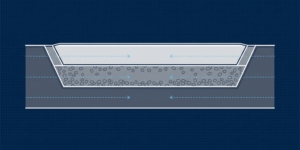
A properly prepared base is the most important factor in long-term concrete slab performance. While many DIYers focus on concrete thickness and reinforcement, the real…

Accurate measurements are the foundation of every successful concrete project. Whether you’re planning a simple rectangular patio or a complex curved walkway, knowing how to…
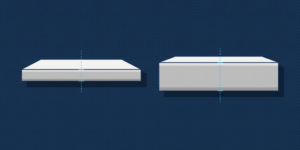
Choosing the right concrete slab thickness is one of the most important decisions in any concrete project. While both 4-inch and 6-inch slabs are common…

Cracking is the most common concrete slab problem, and the question of reinforcement—rebar, wire mesh, or fiber—comes up on every project. The confusion is understandable:…
Waiting to drive on a new concrete driveway is one of the harder things to do after a pour. The slab looks solid. It feels…
After a concrete pour, the surface can look finished within hours — but looking finished and being ready for foot traffic are two very different…

Ordering ready-mix concrete involves more than just calling a supplier and requesting a delivery. Access logistics, timing coordination, site preparation, and understanding typical fees all…
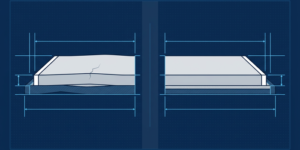
Most concrete slab failures don’t happen when the concrete hardens—they happen before concrete ever arrives. Poor measurement leads to ordering the wrong volume. Inadequate base…
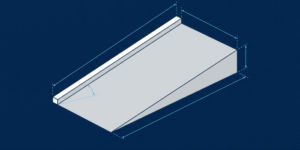
Sloped slabs and ramps are among the most commonly miscalculated concrete projects. The thickness changes continuously from one end to the other, yet many builders…

Curing is the single most important factor determining concrete’s long-term durability, surface hardness, and resistance to scaling, dusting, and fine cracking. Yet it’s also the…