
How Many 80 lb Bags for 0.25 Yards of Concrete?
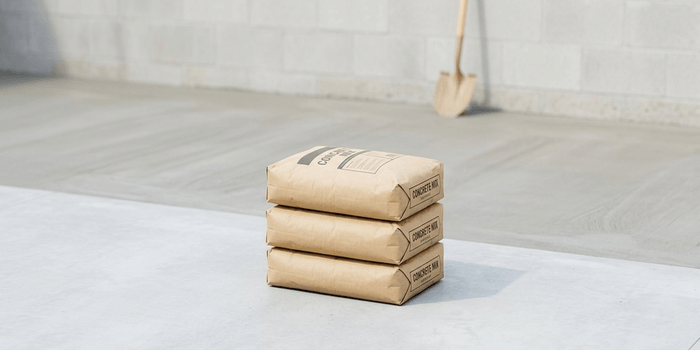
When comparing bagged concrete to ready-mix, an 80 lb bag yields about 0.6 cubic feet, requiring approximately 12 bags to achieve a volume of 0.25 yards.
Choose Your Calculator
Bag Calculator
Adjust volume, bag size, and waste assumptions to get a custom count.
Open Bag CalculatorSlab Calculator
Need to calculate dimensions first? Start with slab size, thickness, and volume.
Open Slab CalculatorLooking for more conversions? Browse all bag pages
How Many 80 lb Bags for 0.25 yards?
Bag yield used: 0.6 ft³ per bag. Bag yield guide
Site Notes Before You Buy
Check the bag yield on the label before buying because different products can vary, and round up your total so you are not short on pour day.
Avoid mixing too many batches at once, as it can lead to inconsistencies in your pour.
Focus on basic curing techniques to ensure your concrete sets properly after placement.
Real-World Notes for This Pour
With 0.25 cubic yards from 12 bags, this amount is ideal for small projects like step pads or minor repairs. Perfect for DIY enthusiasts tackling manageable tasks.
Hauling 960 pounds of concrete requires careful planning. Ensure you have enough trips or assistance to move all 12 bags safely to your project site.
For a light load like this, bagged concrete is practical and convenient. If your project scales up, consider ready-mix for larger volumes and reduced labor.
Worked Example for 0.25 yards with 80 lb Bags
Step-by-step calculation for this exact volume and bag size:
- Volume in cubic feet: 6.75 ft³ (= 0.250 yd³ × 27)
- Bag yield: 0.6 ft³ per 80 lb bag
- Base bag count: 6.75 ÷ 0.6 = 12 bags (rounded up)
- With 10% waste: 12 × 1.10 = 13 bags
- Total weight: 12 × 80 lb = 960 lb
Bag Counts by Waste Buffer for 0.25 yards
Pick a buffer based on site conditions: clean forms and accurate volume can run leaner; rough subgrade or hard-to-reach pours need more cushion.
| Buffer | 80 lb bags | Total weight |
|---|---|---|
| No buffer tight pour | 12 | 960 lb |
| +5% typical DIY | 12 | 960 lb |
| +10% recommended | 13 | 1,040 lb |
| +15% rough conditions | 14 | 1,120 lb |
How Many 40, 60 & 80 lb Bags for 0.25 yards
Same volume, three common bag sizes. Bigger bags mean fewer units to mix but more weight per lift; smaller bags are easier to handle but the count climbs fast.
| Bag size | Bags needed | With 10% waste | Total weight |
|---|---|---|---|
| 80 lb (this page) | 12 | 14 | 960 lb |
| 60 lb bags | 15 | 17 | 900 lb |
| 40 lb bags | 23 | 26 | 920 lb |
Counts use standard yields (0.30 / 0.45 / 0.60 ft³ per 40 / 60 / 80 lb bag) and are rounded up. Confirm the yield printed on your product label before buying.
How to Read This 80 lb Bag Estimate
Confirm volume
Start with 0.25 yards and verify whether your total is in cubic feet or cubic yards.
Check bag yield
This page assumes 0.6 ft³ per 80 lb bag.
Add waste
Use the 5% or 10% buffer if you expect spillage, uneven forms, or small measurement errors.
Pour-Day Planning for 80 lb Bags
When bagged concrete makes sense: smaller pours, simple DIY jobs, and areas where a ready-mix truck is inconvenient.
When to compare ready-mix: once bag counts become very high, delivery may save labor and time. See our concrete cost per yard guide.
For more tools and conversions, try our concrete yardage calculator or run counts in the concrete bag calculator.
Frequently Asked Questions
How can I find out the yield of a bag of concrete?
Check the label on the bag, which will provide the yield information, typically expressed in feet.
Why should I round up when ordering concrete?
Rounding up helps account for potential waste during mixing and pouring, ensuring you have enough material.
In what scenarios is bagged concrete the best choice?
Bagged concrete is practical for small pads, step pads, and minor repairs where larger volumes aren't needed.
When might ready-mix concrete be a better option?
Ready-mix can be more suitable for larger projects where extensive quantities of concrete are required and delivery is feasible.
Related Guides
How Many Bags of Concrete Do I Need?
Calculating the number of bags of concrete you need depends on your project volume and the bag size you choose. This guide walks you through…
Ready-Mix Ordering Tips: Access, Scheduling & Common Fees
Ordering ready-mix concrete involves more than just calling a supplier and requesting a delivery. Access logistics, timing coordination, site preparation, and understanding typical fees all…
Bagged vs Ready-Mix Concrete Cost: How to Compare
Bagged concrete looks cheaper when you compare price tags at the store. Eighty-pound bags cost a fraction of what ready-mix delivery charges. But price per…
Concrete Curing Basics: Why It Matters & How to Do It – Best Practices
Curing is the single most important factor determining concrete’s long-term durability, surface hardness, and resistance to scaling, dusting, and fine cracking. Yet it’s also the…
Estimate a Custom 80 lb Bag Job
Use our calculators to adjust volume, waste, and bag size for your exact project.